Hide and Seek: Where Do the Mule Deer Go?

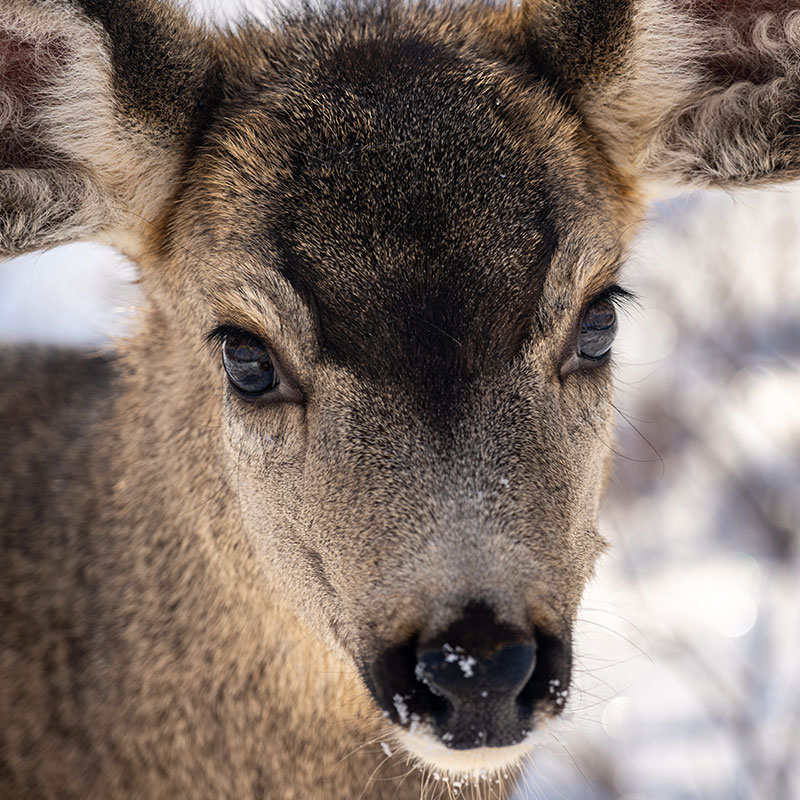
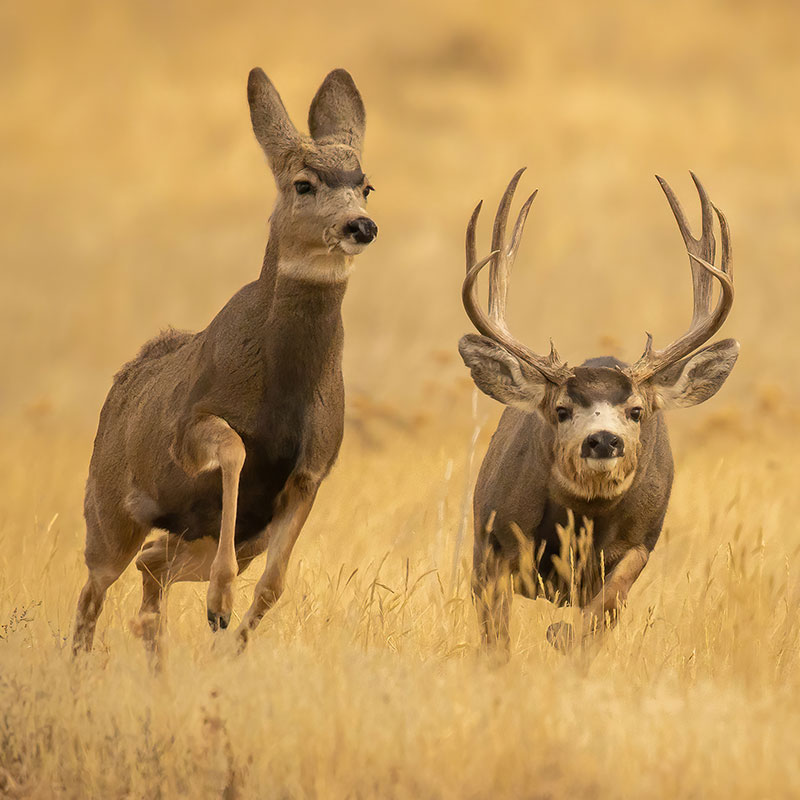
It has been speculated that mule deer (Odocoileus hemionus) may not be as abundant the Alberta landscape as we thought, which has a 2025 pre-hunting season estimate of over 140,000 (GoA 2025). This project will help us gather the data to have a better understanding of their population.

Not only will this collaring project analyze the amount of mule deer are roaming Western Canada, but it will also assess their habitat and mortality rate. And the best part? We will share our findings with you!

The goal of the project is to improve our understanding of mule deer movements, habitat use, and survival rates across Alberta. GPS collars provide vital tracking data that researchers use to inform wildlife management strategies, support conservation efforts, and help ensure the long-term sustainability of this iconic species.

A bit of background: the project launched in 2024, inspired by similar efforts that began in Utah in 2009. In January 2025, the first 114 mule deer were collared in the southwest and southeast corners of the province. By 2028, hundreds more will be collared through every corner of the province.

Learn more about mule deer: https://www.apos.ab.ca/Species/MuleDeer

View Research Objectives View Interactive Map
The Path Forward

The Path Forward, released April 22, 2026, by Wild Origins Canada, highlights a hunter-led, science-based effort to better understand Alberta's mule deer. In partnership with the Alberta Professional Outfitters Society (APOS), the 8-minute film takes viewers into the real challenges facing this iconic species, including habitat change, disease, and predation; and shows how on-the-ground research is helping shape practical conservation solutions.

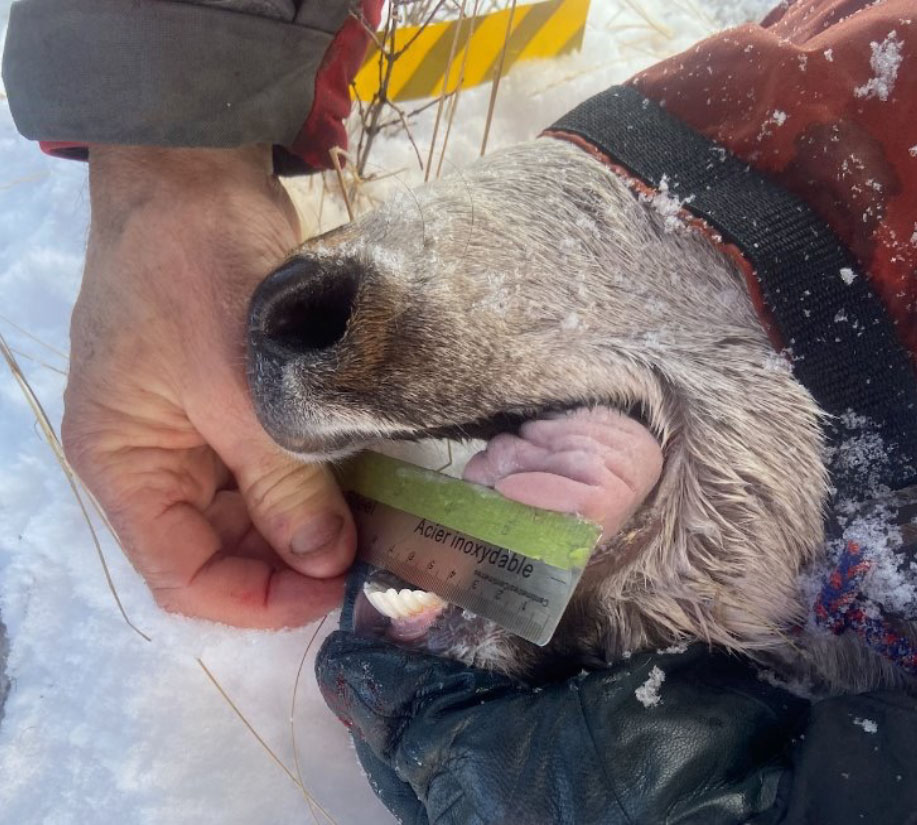
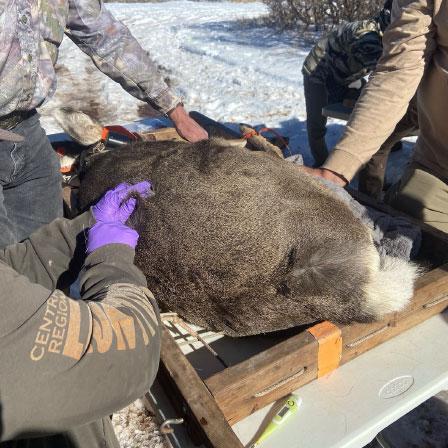
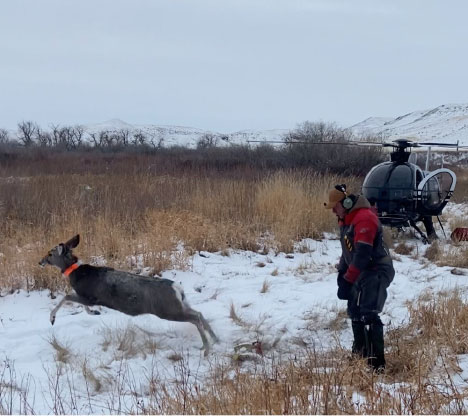
This is a rare behind-the-scenes look at the Alberta Mule Deer Collaring Project—one of the largest privately led mule deer research efforts in the world. From early morning helicopter work to highly coordinated ground capture teams, the film shows how deer are safely located, handled with care, fitted with GPS collars, and released back into the landscape within minutes. Each step is done with precision and respect for the animal.

The importance of this work cannot be overstated. Mule deer are found throughout much of Alberta and are a key indicator of overall ecosystem health. By tracking their movements through collar data, biologists can better understand migration routes, seasonal habitat needs, survival pressures, and how changing landscapes are affecting populations. That knowledge is essential for making informed decisions that support healthy deer herds and resilient landscapes for the long term.

Related Projects

Interested in other similar projects? Check out some other amazing wildlife movement monitoring initiatives throughout North America.